Project Case Study #042

Pool Removal in Marietta, GA (Before & After + $17,200 Cost Breakdown)

A homeowner in Marietta reclaimed 1,200 sq. ft. of yard space by removing an aging, leaking concrete pool. Here is the full transparency on what it cost and how it was done.

Project Overview

"The pool had become a liability. My grandkids couldn't play in the yard, and the maintenance costs were exceeding $3,000 a year. Atlanta Pool Removal Pros came in, handled the Cobb County permits, and gave me my backyard back in less than a week." β€” Homeowner, West Marietta

Fast Facts:

  • πŸ“ Location: Marietta, GA (near Square)
  • πŸ—οΈ Type: Full Engineered Removal
  • πŸ’° Total Cost: $17,200
  • πŸ“… Timeline: 5 Business Days
  • 🏊 Pool Type: 18' x 36' Concrete Gunite
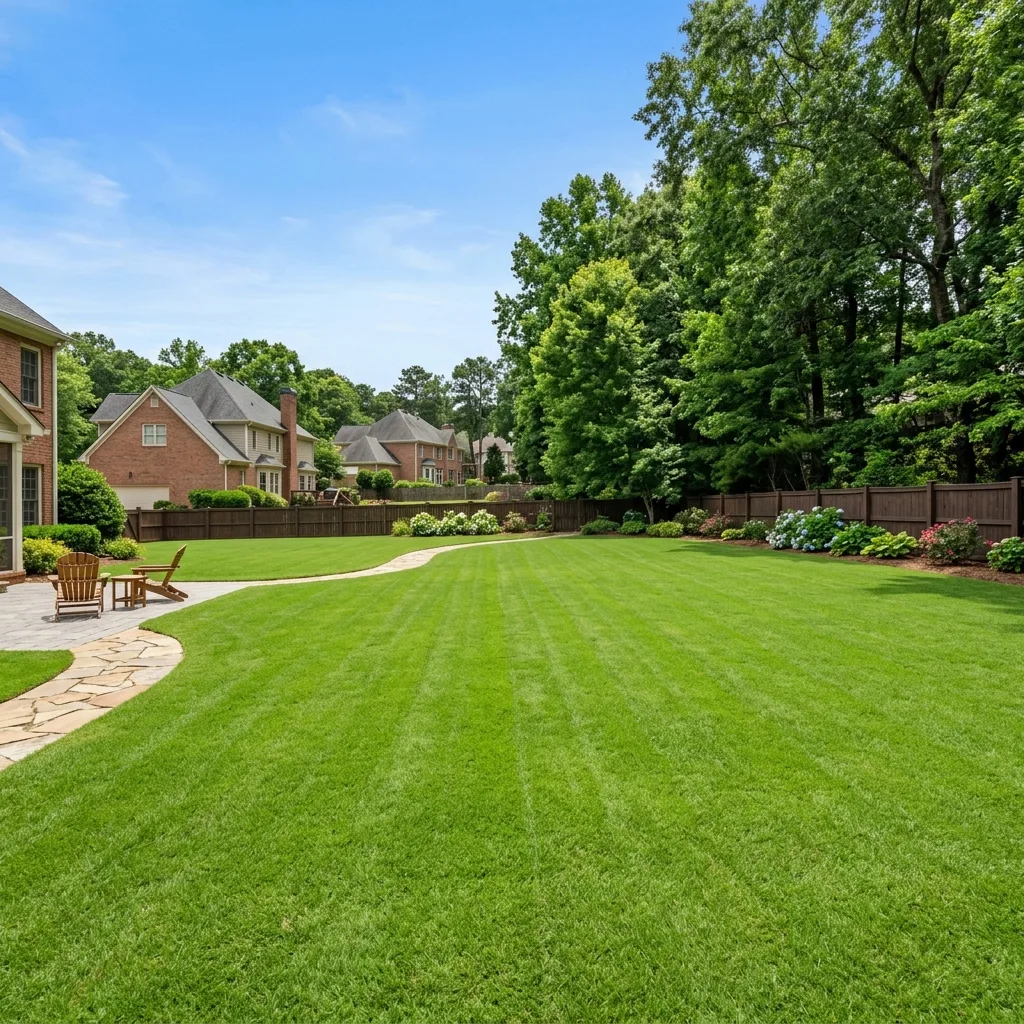
Marietta Backyard After Pool Removal
PROJECT COMPLETED: MARCH 2026

The Transformation

Before: The Liability

  • Cracked concrete shell with active leaks.
  • Unused, algae-filled eyesore taking up 40% of the yard.
  • Safety concern for pets and children.
  • Property disclosure required due to structural decay.

After: The Asset

  • Engineered, build-ready leveled topography.
  • 1,200 sq. ft. of new lush fescue lawn.
  • Zero annual maintenance or electrical costs.
  • Clean property title with official Cobb permit sign-off.

Full $17,200 Cost Breakdown

We believe in pricing transparency. Here is exactly how every dollar was spent on this Marietta project.

Category Details Amount
Full Demolition Primary shell breaking and concrete recycling. $8,000
Hauling & Disposal Transporting 8-10 dump truck loads of debris. $3,500
Structural Backfill Imported clean fill dirt and mechanical compaction. $4,000
Cobb Permits County filing fees and administrative coordination. $1,200
Final Grading Precision leveling for future landscaping. $500
TOTAL PROJECT $17,200

*Note: Most Marietta projects fall between $15,000 and $25,000 depending on machine access and soil moisture content.

This project demonstrates how a full engineered pool removal, while costing more than a partial abandonment, represents a superior long-term investment. By securing a certified compaction report from our geotechnical engineering partners, the homeowners were able to immediately construct a beautiful covered brick patio and outdoor kitchen on the exact site of the former pool, adding significant value and usability to their West Marietta residence.

Geotechnical Compaction & Soil Physics in Cobb County

West Marietta properties are characterized by dense Cecil clay loam (Georgia Red Clay). While Cecil clay offers excellent structural support when properly managed, it is highly plastic and extremely sensitive to moisture changes. Sourcing, importing, and compacting structural backfill loam in a clay-heavy subgrade requires engineering precision. If backfill soil is placed with too much moisture, it will "pump" and fail compaction; if it is too dry, it will fail to reach maximum density, leaving subgrade air pockets that collapse when the clay expands during seasonal rains.

For this project, our team imported 150 tons of clean structural backfill clay loam from a certified local quarry. Sourcing soil with balanced aggregate properties ensures the backfill integrates with the surrounding subgrade. During the backfilling process, we spread the soil in thin 6-inch horizontal lifts. Each lift was mechanically compacted using a walking-behind sheepsfoot roller (which applies concentrated footprint pressure to knead the clay plates together) and a heavy vibratory plate. We monitored moisture levels at every stage, keeping the soil within 2% of the Optimum Moisture Content (OMC) to guarantee a stable foundation.
Cobb County Permitting & Geotechnical Inspections

Obtaining a residential swimming pool demolition permit from the Cobb County Community Development Agency requires detailed site plan preparation. Since this Marietta pool sat on a sloped backyard, we had to draft a comprehensive soil erosion and sediment control plan, including wire-backed Type C silt fencing along the downslope property boundary to prevent clay runoff from entering the county stormwater system.

For this **Full Engineered Removal**, Cobb County codes required third-party certification of the soil compaction process. We partnered with a licensed civil engineering firm to oversee the backfill operations. Sarah Jenkins, P.E., monitored the process, using nuclear density gauges to test each soil lift (ASTM D698). The final report verified that all layers met 96.2% Modified Proctor density, providing a stable foundation that allows the homeowner to build permanent home additions or patios in the future, while clearing the property title of any structural encumbrances.

Overcoming Marietta-Specific Challenges

Real projects present unique field challenges. Here’s how our team solved them.

Challenge: Limited Side-Yard Access

The homeowner's property featured only a 48-inch clearance between the garage wall and the side property line. Standard excavators and loaders require at least 8 to 10 feet of access space. Removing the neighbor's mature oak trees or temporary fence panels was not permitted by the local homeowner association (HOA).

Solution: Micro-Excavators & Turf Protection

We deployed a specialized 36-inch wide mini-excavator and tracked power buggies to ferry the broken concrete and imported soil. We laid down 1.5-inch thick polymer ground protection mats along the access path, protecting the turf and concrete driveway from cracking under the weight of the machines.

The 5-Day Marietta Workflow: Technical Log

1

Day 1: Cobb County Permitting, Safety Setups & Drawdown

We secured permit approval from the Cobb County Community Development Agency and marked utility lines via Georgia 811. Next, we installed our erosion controls (Type C wire-backed silt fencing) and turf protection mats along the side setback. We then pumped 28,000 gallons of pool water into the sanitary sewer system following local environmental codes.

2

Day 2: Concrete Shell Demolition & Steel Extraction

We used a mini-excavator equipped with a high-frequency hydraulic impact breaker to demolish the concrete pool coping and vertical pool walls down to the footings. We extracted the structural steel rebar grid and separated it from the shattered gunite, prepping both materials for hauling and recycling.

3

Day 3: Material Hauling & Base Drainage Installation

We loaded and hauled 85 tons of broken concrete and steel rebar to a local masonry recycling facility. To manage the high water table and prevent subgrade pooling, we installed a 4-inch drainage blanket consisting of clean, washed crushed granite gravel along the bottom of the excavation void.

4

Day 4: Structural Backfilling & Nuclear Density Testing

We imported 150 tons of clean structural backfill soil. Using tracked power buggies, we placed the soil in thin 6-inch lifts. Each layer was compacted with a walk-behind sheepsfoot roller. Sarah Jenkins, P.E., verified each lift using a nuclear density gauge, confirming we met 96.2% Proctor density (ASTM D698).

5

Day 5: Final Laser-Grading, Seeding & Inspection Sign-off

We spread 4 inches of organic topsoil and laser-graded the yard to match the natural landscape slope. We seeded the site with turf-grade Fescue grass and covered it with straw blankets. The Cobb County building inspector reviewed the compaction logs and signed off on the final permit.

Considering Pool Removal in Marietta?

Get a cost estimate based on your specific property and property goals.

Get My Marietta Estimate
← Back to Marietta Guide View Full Cost Sheet Demolition Methodology