As we move through 2026, many homeowners in the Atlanta metropolitan area are looking for ways to maximize their outdoor living spaces. While the swimming pool was once the centerpiece of a suburban backyard in Northern Georgia, many residents in communities like Sandy Springs, Marietta, Decatur, and Alpharetta are finding that an aging pool takes up valuable space that could be used for more modern, highly functional outdoor living features.
At Atlanta Pool Removal Pros, we’ve seen a significant shift in how people utilize their backyards. Removing an older, high-maintenance pool is often the first step in a larger renovation project that includes stone patios, custom outdoor kitchens, and even accessory dwelling units (ADUs).
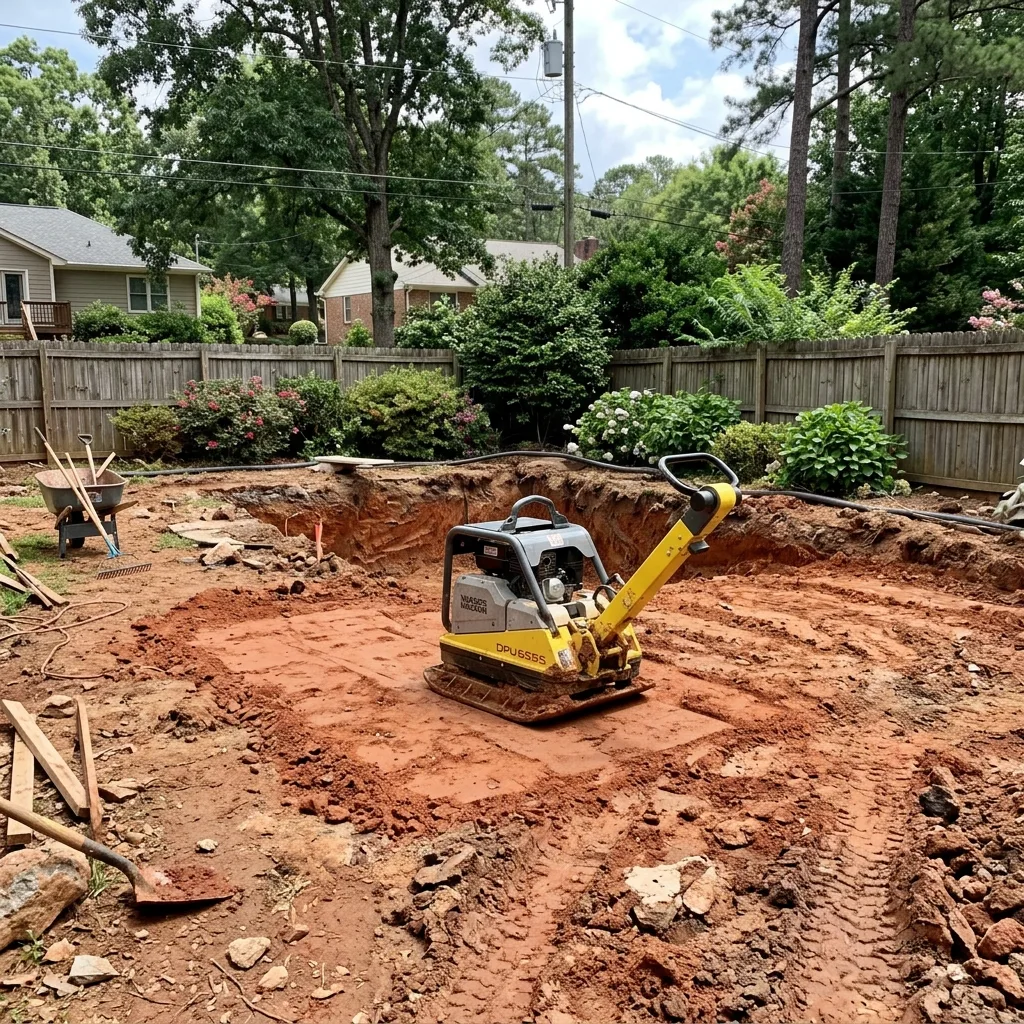
A typical 2026 backyard restoration in Marietta, Georgia.
The Shift: Reimagining the Suburban Atlanta Lot
In the 1980s and 1990s, building an in-ground swimming pool in suburbs like Gwinnett County, East Cobb, or North Fulton was considered the ultimate residential status symbol. However, the realities of pool ownership in 2026 have shifted. Aging plaster and concrete pool shells are prone to structural cracking due to the expansion and contraction of local clay soils. Homeowners face massive capital expenditures—often between $10,000 and $15,000—just to resurface a failing shell or replace worn-out filtration pump systems. When you add the annual costs of electricity, chemicals, and rising home insurance premiums, an unused pool quickly becomes a financial drain rather than an asset.
Reclaiming this space allows homeowners to design a backyard that matches their modern lifestyles. Instead of dedicating 40% of their land to a chlorinated water tank, families are choosing open-concept lawns, versatile outdoor dining areas, and structures that can be used throughout the year, even during the cool Georgia winters.
Top Backyard Renovation Trends in 2026
What are Atlanta homeowners building once their pool is gone? Here are the leading design trends we are seeing this year:
1. Multi-Functional Outdoor Living Rooms
Homeowners are extending their indoor living spaces outside. Patios built with natural Tennessee flagstone or durable concrete pavers (such as Belgard pavestone systems) are replacing pool decks. These patios are designed as complete outdoor rooms, featuring comfortable sectional seating, wood-burning stone fireplaces, and cedar pergolas. To ensure durability, the stone or pavers must be laid over a 4-inch base of compacted crusher run gravel and a 1-inch sand leveling bed. This creates a stable surface that prevents shifting during Georgia's heavy seasonal rainstorms.
2. High-End Outdoor Kitchens & Dining Areas
Dining alfresco has evolved beyond a simple charcoal grill. Homeowners are building built-in masonry kitchens equipped with premium gas grills, outdoor refrigerators, sinks connected to local water lines, and stone countertops. Siting these kitchens over former pool basins requires running gas, water, and electrical conduit underground prior to final backfilling. This ensures all lines are buried below the frost line and fully protected from accidental damage.
3. Detached Accessory Dwelling Units (ADUs) & Home Offices
With remote work established and local zoning regulations adapting, building an Accessory Dwelling Unit (ADU) has become highly popular. Municipalities across Fulton and DeKalb counties have updated zoning rules to allow detached carriage houses, guest suites, or home offices in backyards. Removing an unused pool provides the space and structural layout needed to build these permanent secondary structures. Building a foundation over a former pool requires full engineered demolition and soil density testing to support the structural weight of the new building.
4. Native Georgia Landscaping & Vegetable Gardens
Sustainable, low-water landscaping is a major focus in 2026. Homeowners are choosing drought-tolerant native plants—such as sweetshrub, switchgrass, and oakleaf hydrangea—to create low-maintenance, ecologically friendly yard spaces. Others are utilizing the reclaimed area to set up raised vegetable garden beds, composting zones, and rainwater harvesting systems. To make the ground suitable for planting, the final 12 inches of backfill must consist of high-quality topsoil blended with organic compost, preventing the soil from packing into a hard clay block.
The Financial ROI of Pool Removal
Is removing a pool worth the investment? Let's analyze the numbers. The average cost of residential pool removal in Atlanta ranges from $10,000 to $18,500. While this is a significant upfront expense, it represents substantial long-term savings:
- Maintenance Savings: Eliminating chemical treatments, water filtration electricity, opening/closing services, and pump repairs saves between $2,500 and $3,500 annually.
- Avoided Capital Projects: Homeowners avoid the $10,000+ cost of resurfacing the concrete shell every 8 to 10 years, as well as the cost of replacement heaters and safety covers.
- Property Appreciation: Real estate agents report that houses with beautiful, functional lawns sell faster and appeal to a broader market than homes with aging pools, which many buyers view as safety hazards and maintenance burdens.
Geotechnical Foundation Requirements for Renovation
The success of any backyard renovation project depends on the quality of the pool demolition and backfilling process. If you plan to build a stone patio, an outdoor kitchen, or an ADU over the former pool site, you cannot simply fill the hole with loose soil. Doing so will lead to severe soil settlement, causing paving stones to sink, mortar to crack, and structural foundations to fail.
To ensure structural stability, you must opt for a **Full Engineered Removal**. This method involves extracting all concrete, gunite, steel rebar, and plumbing lines from the pool basin. The site is then backfilled using clean, organic-free structural sandy clay loam imported from local quarries. The soil must be placed in thin, horizontal layers (lifts) no deeper than 6 to 8 inches, and compacted using mechanical sheepsfoot rollers or vibratory plates to achieve a certified 95% Modified Proctor density (ASTM D698). A licensed geotechnical engineer must monitor this process and issue a compaction report to secure building permits for future construction.
Navigating Permits & Arborist Regulations
Backyard renovations that involve pool removal require coordination with local municipal building departments. Cobb, Fulton, and DeKalb counties require building and demolition permits before work can begin. Furthermore, municipalities like Sandy Springs and Decatur enforce strict tree canopy preservation laws. If the excavation equipment needs to cross the Critical Root Zone (CRZ) of mature hardwoods, you must submit a Tree Protection Plan (TPP) prepared by a certified arborist. This ensures tree root systems are protected and avoids heavy municipal compliance fines.
By working with a professional pool removal specialist like Atlanta Pool Removal Pros, you ensure that all geotechnical, environmental, and permit requirements are handled correctly, protecting your property value and setting the stage for a successful backyard transformation.
Coordination with Landscape Designers: The Critical Hand-off
A pool removal is only the first half of a backyard transformation. Once the soil is compacted and certified, the site must be handed over to your landscape contractor. We coordinate directly with your designer, providing the geotechnical compaction reports and laser-grade details. This ensures they know exactly where they can safely build hardscapes, where to plant trees, and how to set up irrigation zones without disrupting the compacted fill or the drainage channels we established. This hand-off is vital to avoiding structural pavers settling later.
Frequently Asked Questions (FAQ)
Can I build a permanent structure over a partially filled pool?
No. A partial pool removal (abandonment) leaves concrete debris buried in the ground and does not involve engineered compaction testing. Because the soil stability is unverified, building departments will not issue building permits for permanent structures (such as home additions, guest homes, or garages) over that zone. If you plan to build anything heavier than a lawn or garden, you must perform a full engineered pool removal.
How do we ensure the backyard drains properly after the pool is removed?
During the demolition process, we fracture the base of the pool and grade the yard to match the natural landscape slope, directing runoff away from your house. In areas with poor soil drainage, we install a 4-inch base layer of washed granite gravel to act as a drainage blanket, and install French drains or dry wells to capture and redirect excess stormwater runoff.
How long does the pool removal process take?
A standard residential pool removal takes between 3 and 6 business days on-site, depending on size, material, and site access. Sourcing permits from the county or city building departments typically takes an additional 5 to 10 business days prior to breaking ground, which our team coordinates on your behalf.