Budget Project Case Study #012

Budget-Friendly Pool Fill in Decatur ($9,200 Total Job Cost)

Reclaiming garden space on a tight Decatur lot using professional "Partial Abandonment" techniques.

Value-First Strategy

"We needed the pool gone to make room for a vegetable garden and to stop the constant maintenance costs. We weren't planning on building a structure in that spot, so the budget-friendly partial fill was the perfect solution for us." — Homeowner, Avondale border

Project Dashboard:

  • 📍 Location: Decatur, GA (near Scott Blvd)
  • 🏗️ Type: Partial Abandonment (Budget)
  • 💰 Total Cost: $9,200
  • 📅 Timeline: 3 Business Days
  • 🛠️ Constraint: Historic Lot (5ft Access)
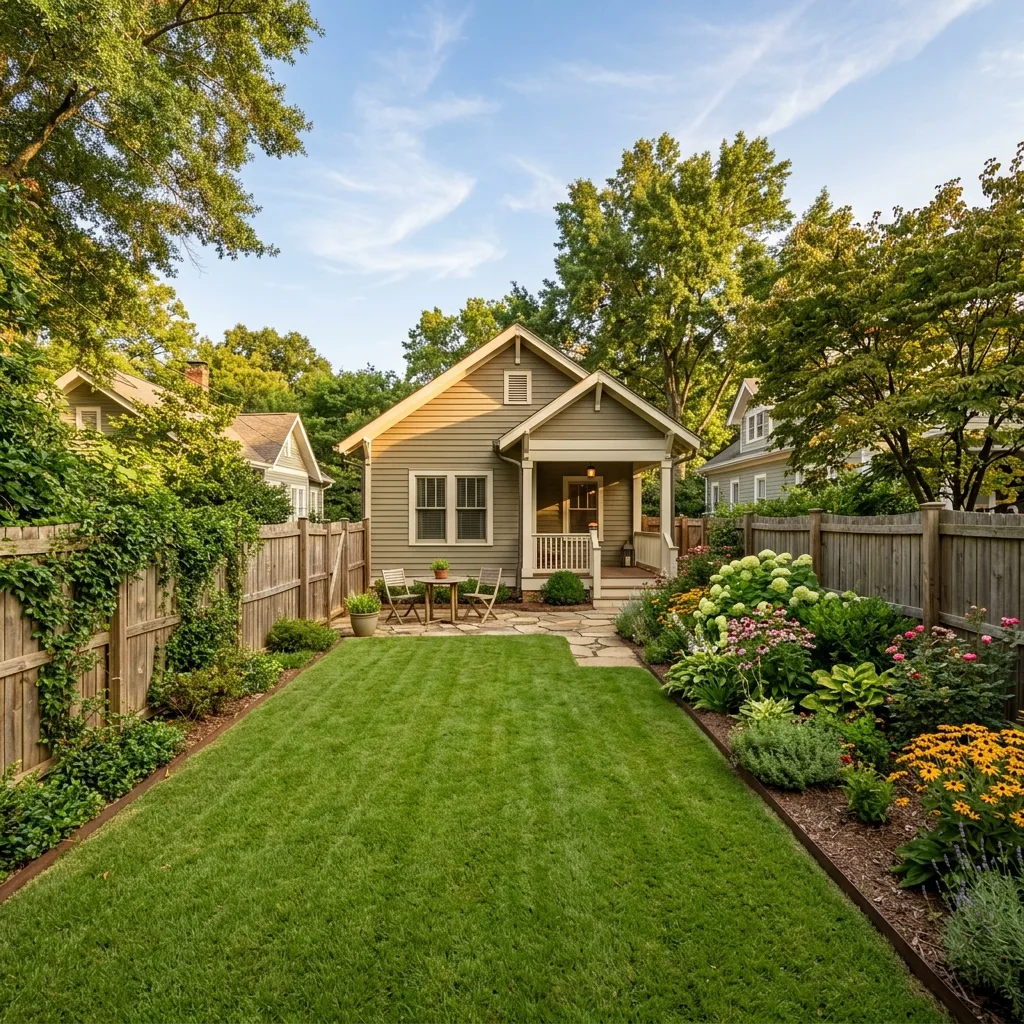
Decatur Garden Results
COMPLETED: FEBRUARY 2026

The Transformation

Before: The Overgrown Pit

  • 20-year-old plaster pool with significant staining.
  • Structural hazard with steep drops near the back porch.
  • Breeding ground for mosquitoes in the summer.
  • Costing $2,400/year in basic filtration power.

After: The Functional Garden

  • Professionally punctured shell for zero drainage issues.
  • Flat, walkable lawn space ready for raised beds.
  • zero liability for home insurance providers.
  • Increased property curb appeal for historic home style.

Decatur Budget Transparency

A partial pool fill significantly reduces machine time and hauling fees.

Item Details Cost
Partial Demolition Breaking top 3 feet & puncturing floor for drainage. $4,800
Fill Dirt Imported clean soil for cavitation fill. $3,200
DeKalb Permits County-wide demolition filing fees. $800
Topsoil Layering Final nutrient-rich soil topping for garden. $400
FINAL PROJECT COST $9,200

The DeKalb Micaceous Silt Challenge

Decatur yards present distinct geological hurdles compared to other Metro Atlanta suburbs. While Cobb County is famous for its dense red Cecil clay, DeKalb County frequently features highly elastic micaceous silt. This type of soil contains high percentages of microscopic mica plates that slide past one another when wet. Because of this, micaceous silt holds significant water and is highly susceptible to spongy ground conditions and elastic rebound under heavy wheel loads.

For this project, simple non-engineered backfilling would have resulted in severe settlement. To counter the elastic properties of Decatur's subgrade silt, we imported clean, sandy clay loam fill from a certified local quarry. Sourcing soil with a balanced sand-to-clay ratio provides the shear strength needed to support a yard. During the backfilling process, we placed the soil in thin 6-inch lifts, monitoring the moisture content to ensure it remained near its Optimum Moisture Content (OMC). This prevents water retention in the soil and guarantees a stable subgrade that will not sink over time.

Decatur Arborist & DeKalb Permit Compliance

Before any machinery could enter the site, we had to clear regulatory requirements with DeKalb County's Planning & Sustainability Department and the City of Decatur arborist. The homeowner's narrow side yard was bordered by three mature water oaks, each measuring over 20 inches in Diameter at Breast Height (DBH). Under Decatur's strict tree preservation codes, any excavation within the Critical Root Zone (CRZ)—calculated as a 1-foot radius for every 1 inch of trunk DBH—requires professional arborist oversight.

To secure our permits, our team drafted a detailed Tree Protection Plan (TPP). We installed temporary chain-link root fences around the trees' CRZs and laid a 6-inch cushion of wood chips topped with heavy timber bridge mats along our equipment access route. This distributed the weight of our mini-skid steers, preventing soil compaction and root damage, and ensuring compliance with local codes, avoiding fines of up to $150 per DBH inch.

Overcoming Decatur's Historic Lot Challenges

When a standard excavator won't fit, we deploy compact tracked equipment.

The Issue: 5-Foot Fence Access

Standard pool demo equipment requires at least 8 to 10 feet of clearance. On this Decatur property, the gap between the house foundation and the neighboring property line's historic wooden fence was exactly 62 inches. Tearing down the fence was not an option due to property line disputes and historic preservation guidelines.

The Solution: Micro-Machinery & Access Protection

We utilized a 36-inch wide mini-skid steer and a compact micro-excavator. We laid 1.5-inch thick polymer ground protection mats to form a temporary roadway, shielding the client's brick patio and driveway from cracking. We ferried over 90 tons of soil and concrete in and out with zero damage to the property.

The 3-Day Decatur Sprint: Technical Log

1

Day 1: Water Drawdown, Arborist Setup & Structural Fracturing

We pumped 25,000 gallons of pool water into the city sanitary sewer system using municipal-approved discharge hoses. Next, we installed our arborist tree root protection systems and ground protection mats. Using a mini-excavator equipped with a hydraulic impact breaker, we fractured the top 3 feet of the pool's concrete walls, collapsing the debris into the bottom of the basin. We then drilled twelve 12-inch drainage holes through the gunite floor to prevent the basin from trapping water underground.

2

Day 2: Soil Import & Lift-by-Lift Compaction

Our crews imported 90 tons of clean structural backfill soil. Using our mini tracked loaders, we brought the soil in via the protected access path and spread it in thin 6-inch horizontal layers (lifts). We compacted each layer using a walk-behind vibratory plate compactor and a heavy sheepsfoot roller. We monitored soil moisture levels closely, ensuring we achieved maximum soil stability and preventing any future settlement issues.

3

Day 3: Final Grading, Topsoil Application & Inspection Closure

We spread 4 inches of nutrient-rich organic topsoil over the compacted zone and graded the yard to match the natural landscape slope, ensuring stormwater runoff drains away from the house. We seeded the yard with turf-grade Fescue grass, laid straw mulch blankets, cleaned the access pathway, and removed our protection mats. The DeKalb County building inspector performed the final on-site inspection and officially closed the permit.

Soil Remediation & Drainage Testing for Garden Use

Because the Decatur homeowner planned to construct raised beds and use the reclaimed area for an organic vegetable garden, standard backfill soil was not sufficient. Compacted clay-silt soils lack the pore space and aeration required for root systems of vegetables like tomatoes, squash, and root crops. To resolve this, we laid a 4-inch base of crushed granite gravel beneath the fill zone to act as a drainage blanket, preventing groundwater pooling at the subgrade contact point.

The top 12 inches of backfill was blended with aged organic leaf compost and local sandy loam, creating a loose, well-draining soil profile with a neutral pH of 6.5. We also performed a percolation test (perc test) by digging a 12-inch test hole, filling it with water, and measuring the drop rate. The site achieved a drain rate of 2.2 inches per hour, which is ideal for preventing root rot while maintaining adequate soil moisture retention during the hot Georgia summer months.

Reclaim Your Decatur Garden Today

Get a budget-friendly estimate for your tight-access property.

Request Budget Estimate
← Back to Decatur Guide DeKalb Permit Mastery Cost Breakdown